 Nutraceuticals
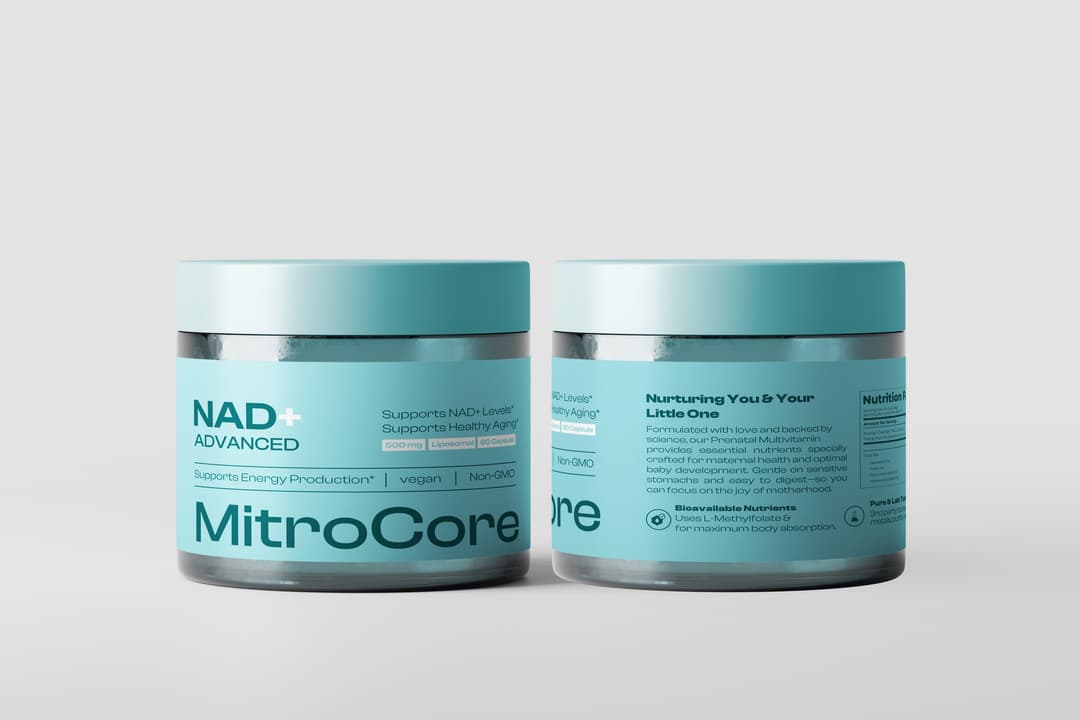
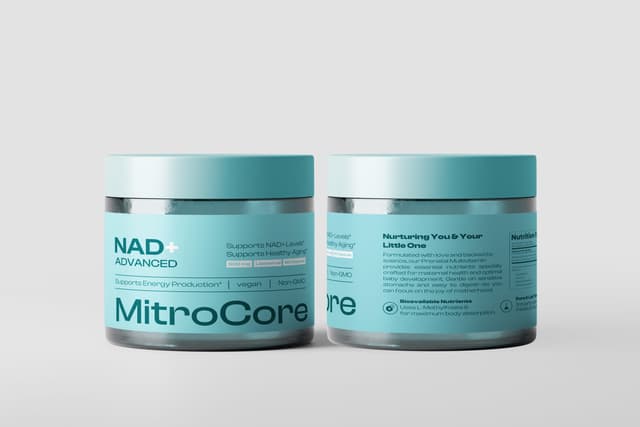
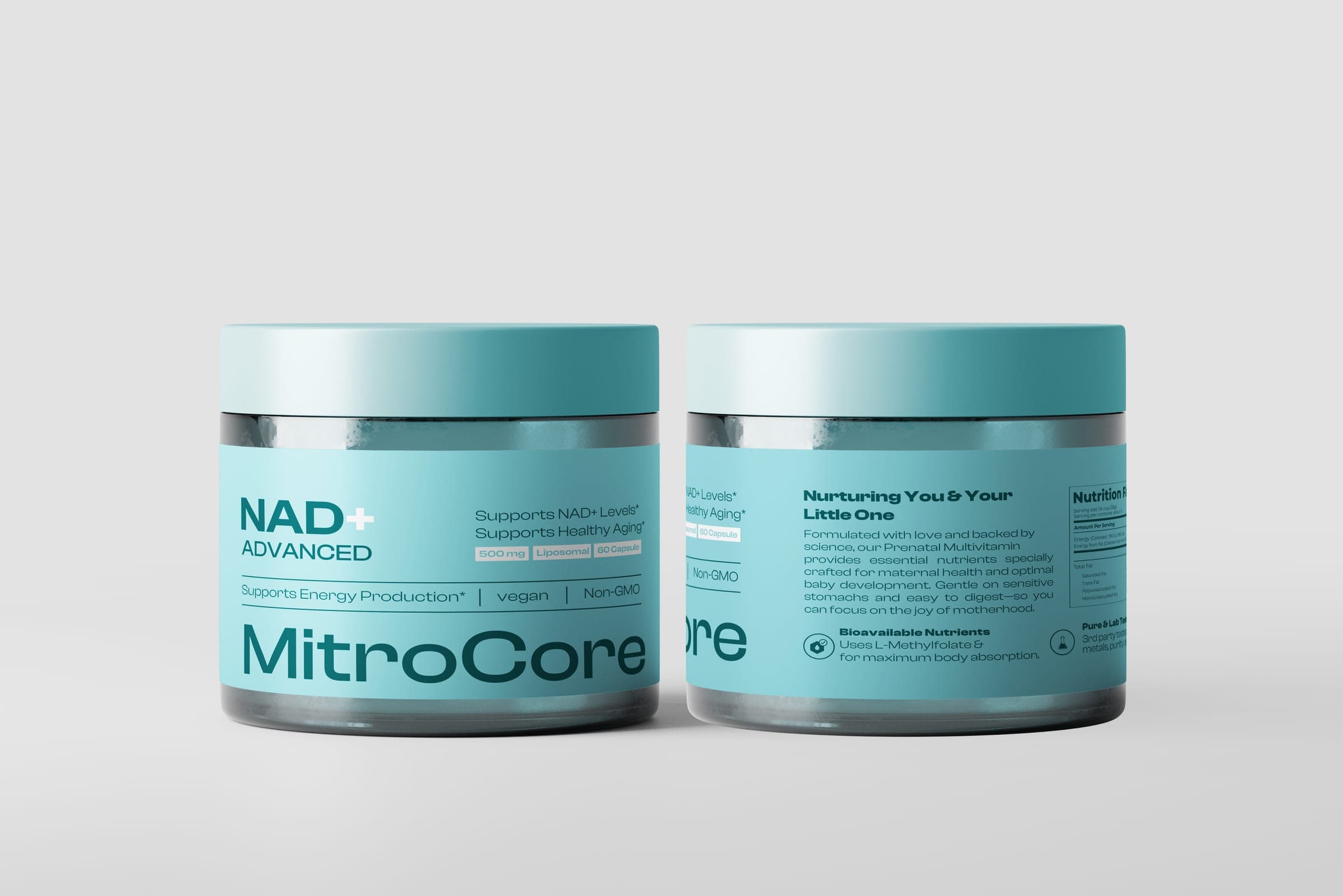
MitroCore
Full-wrap label on a low-profile wide-mouth jar
We design brand identity, structural dielines, and 3D-ready artwork for food, supplement, and consumer-goods packaging — built to hold up on a shelf and on a thumbnail.
One studio, one packaging discipline

The problem
A striking flat comp is only half the job. Packaging has to survive a crowded shelf, a small screen, and a print run — all at once.
A pack that only works at arm's length loses on a 100px e-commerce thumbnail before a shopper ever reads the claim.
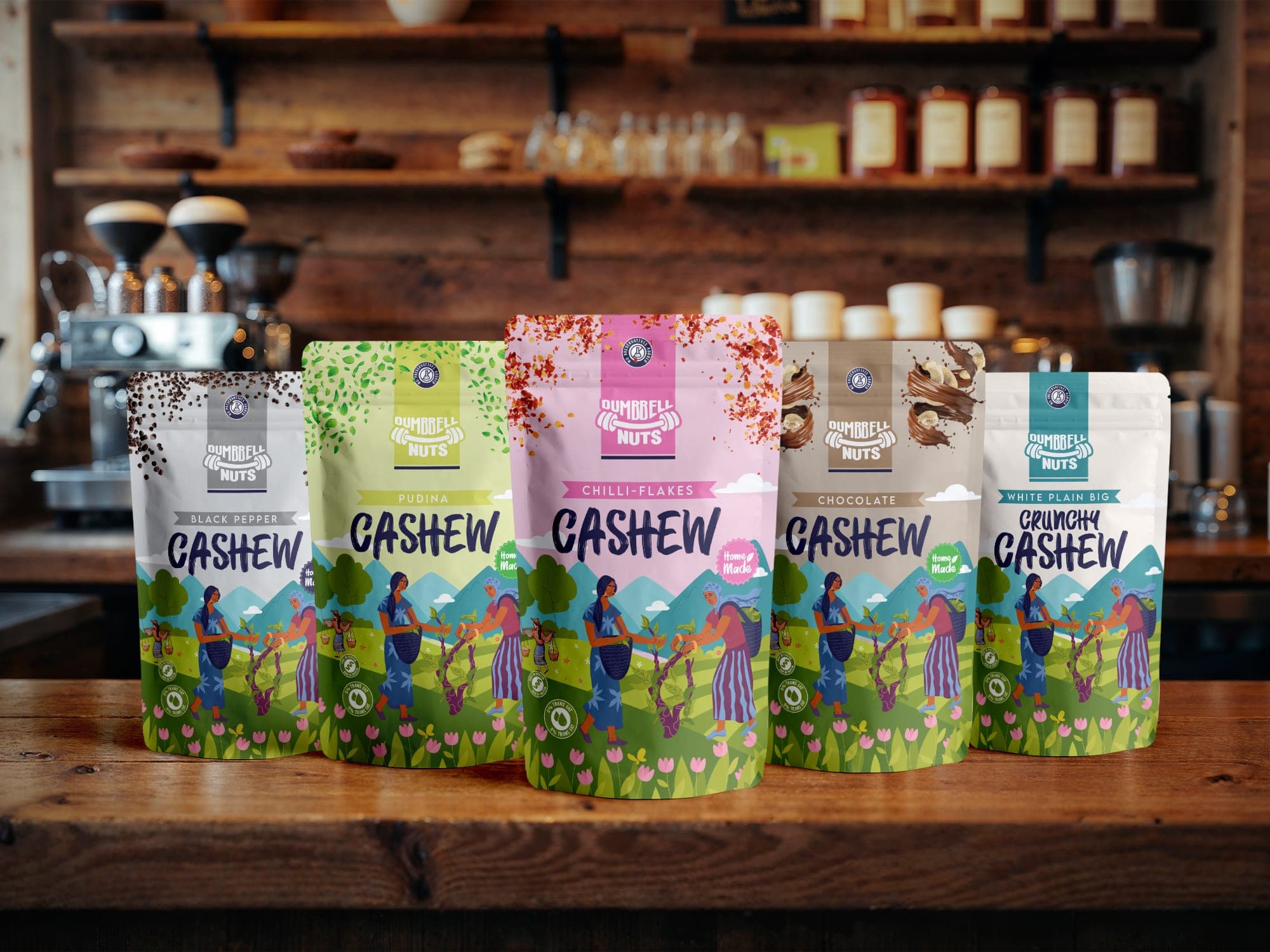
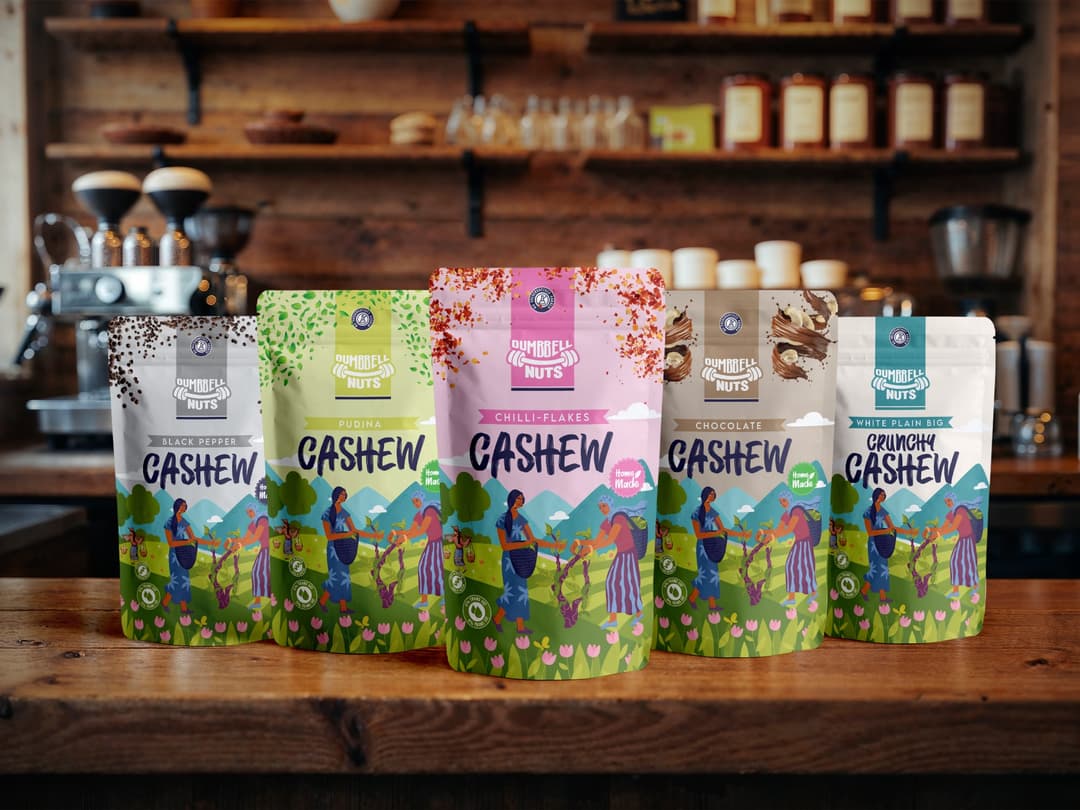
Every flavor or variant designed in isolation costs brand recognition the moment a line grows past two or three products.
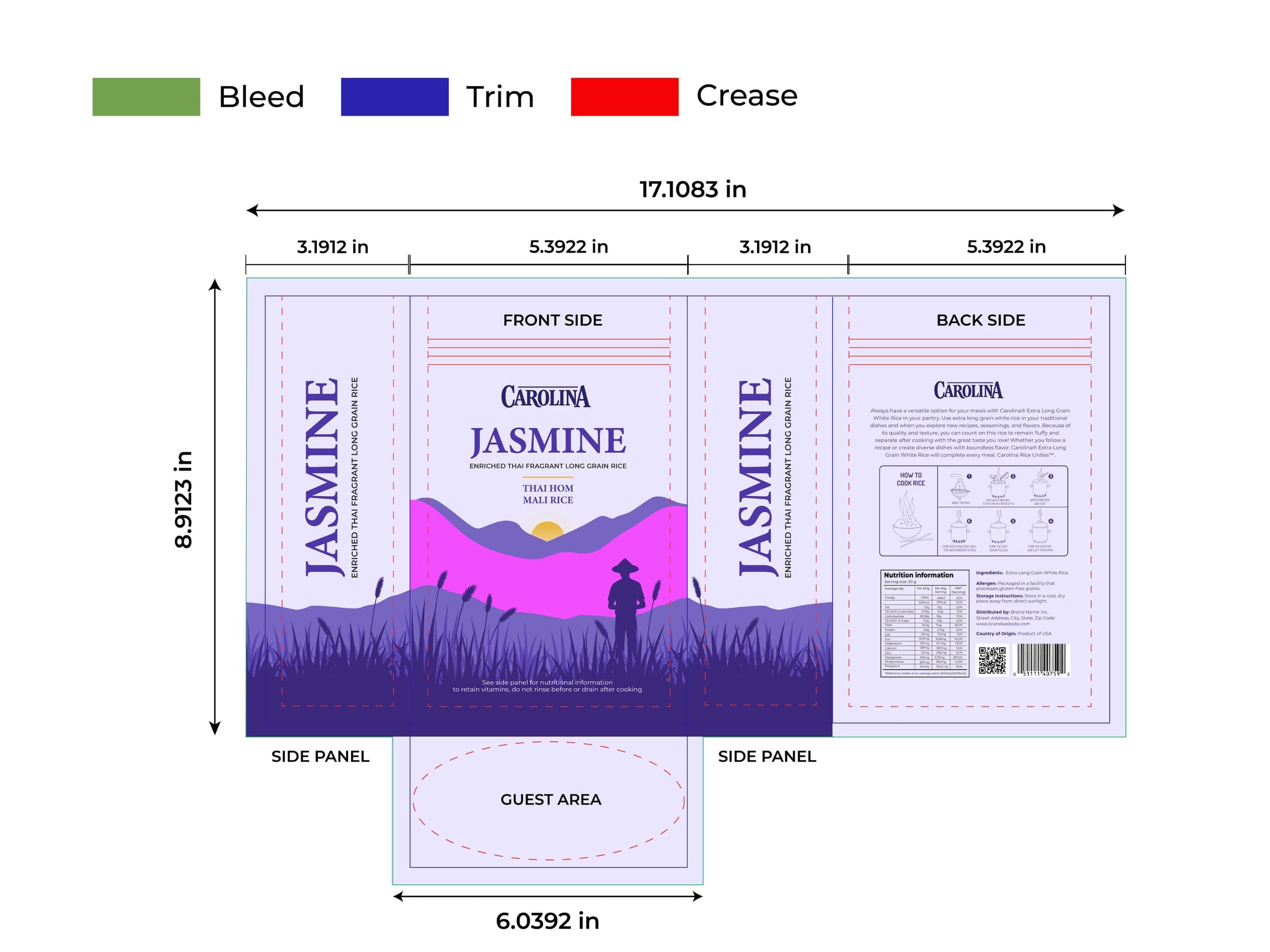
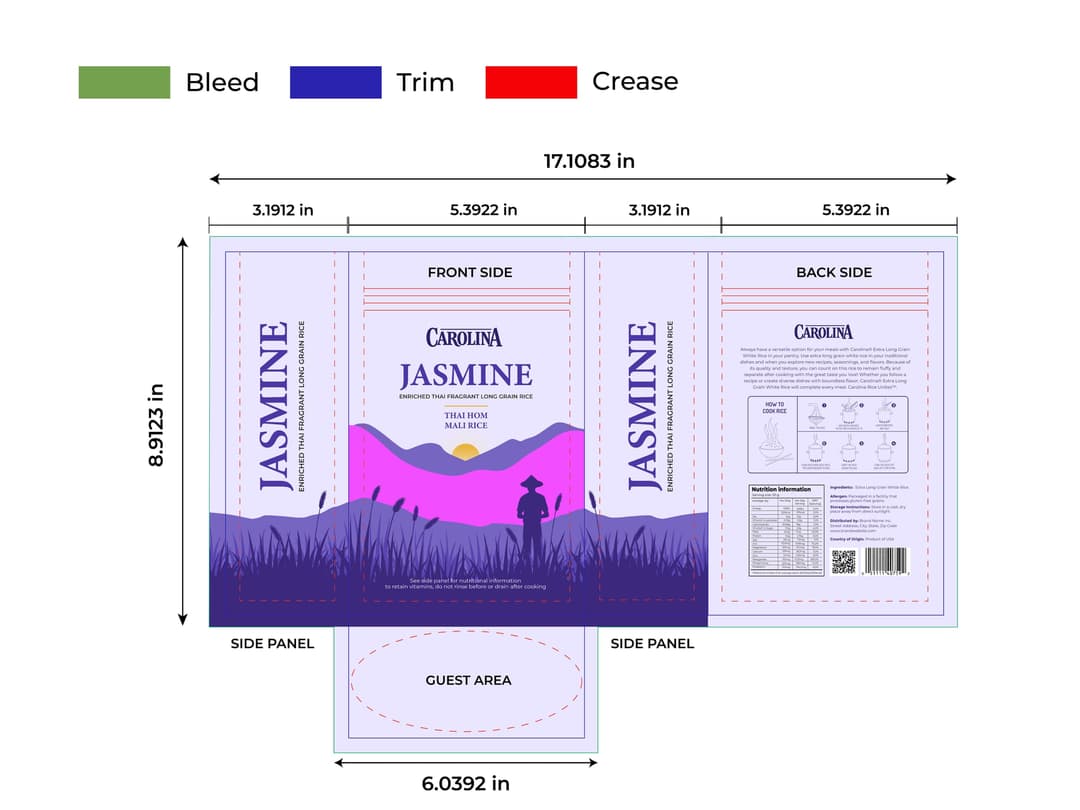
A flat comp isn't a dieline. Without trim, bleed, and safe-margin specs, a great layout can still fail on press.
Selected work
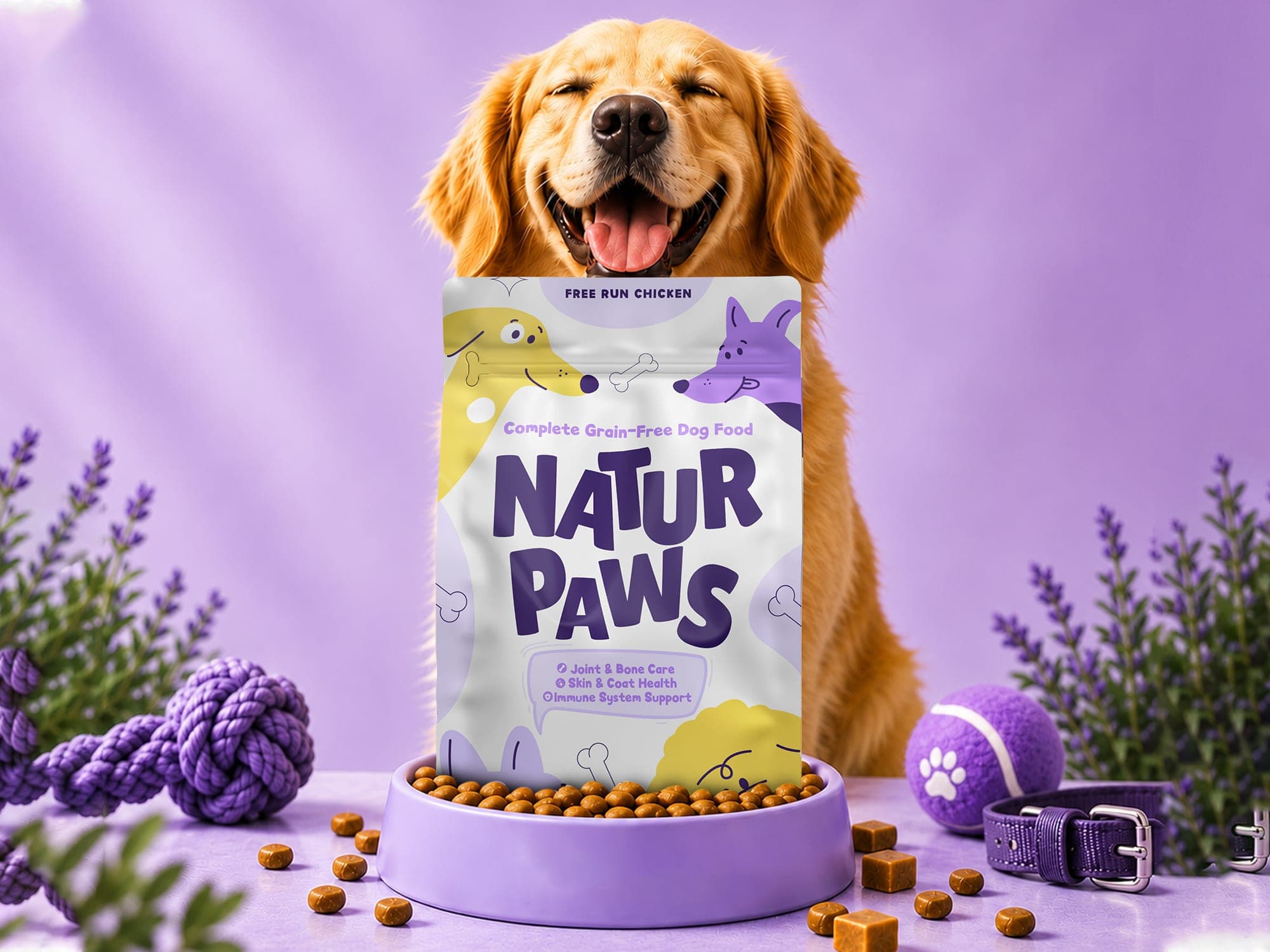
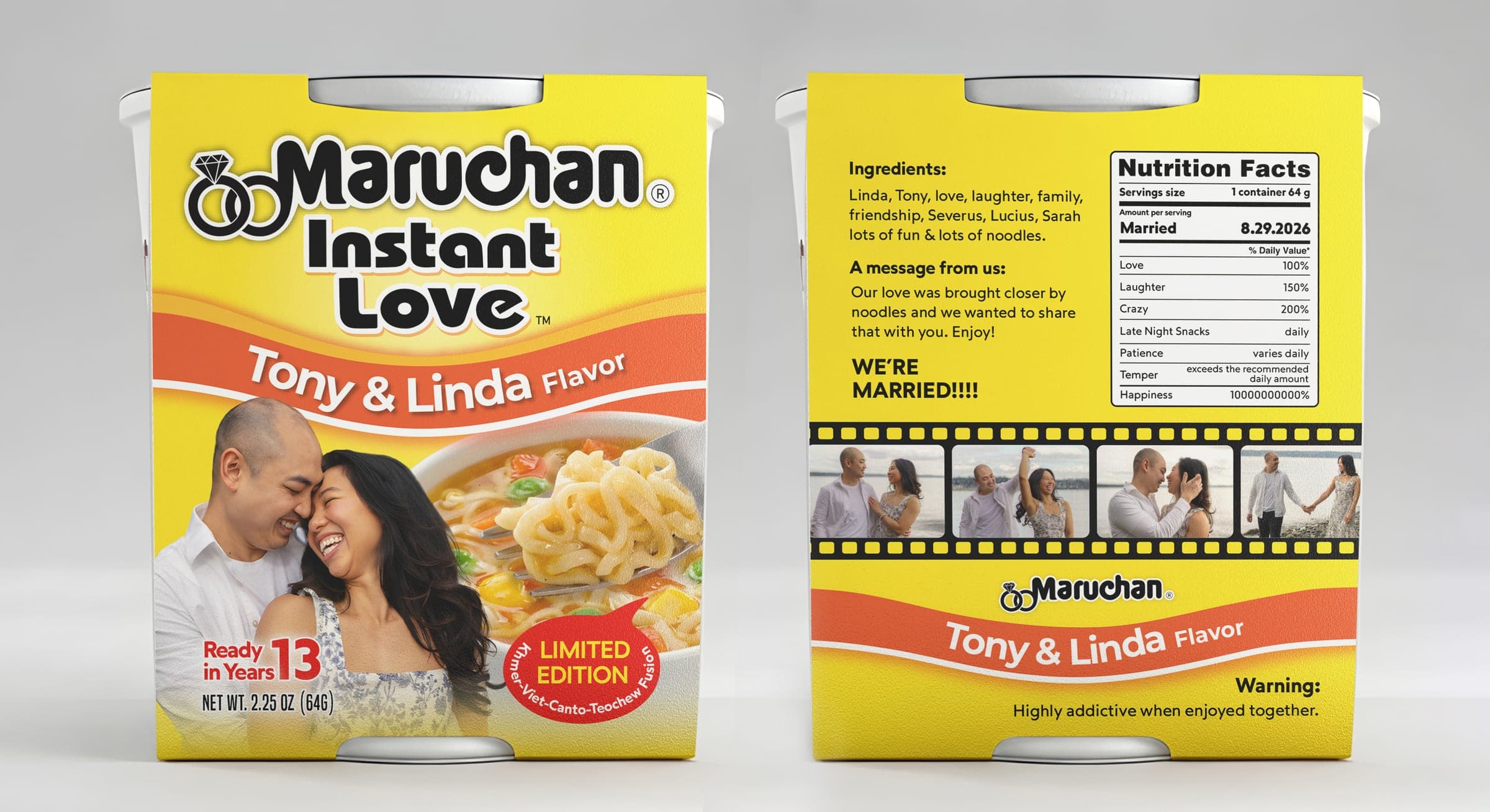
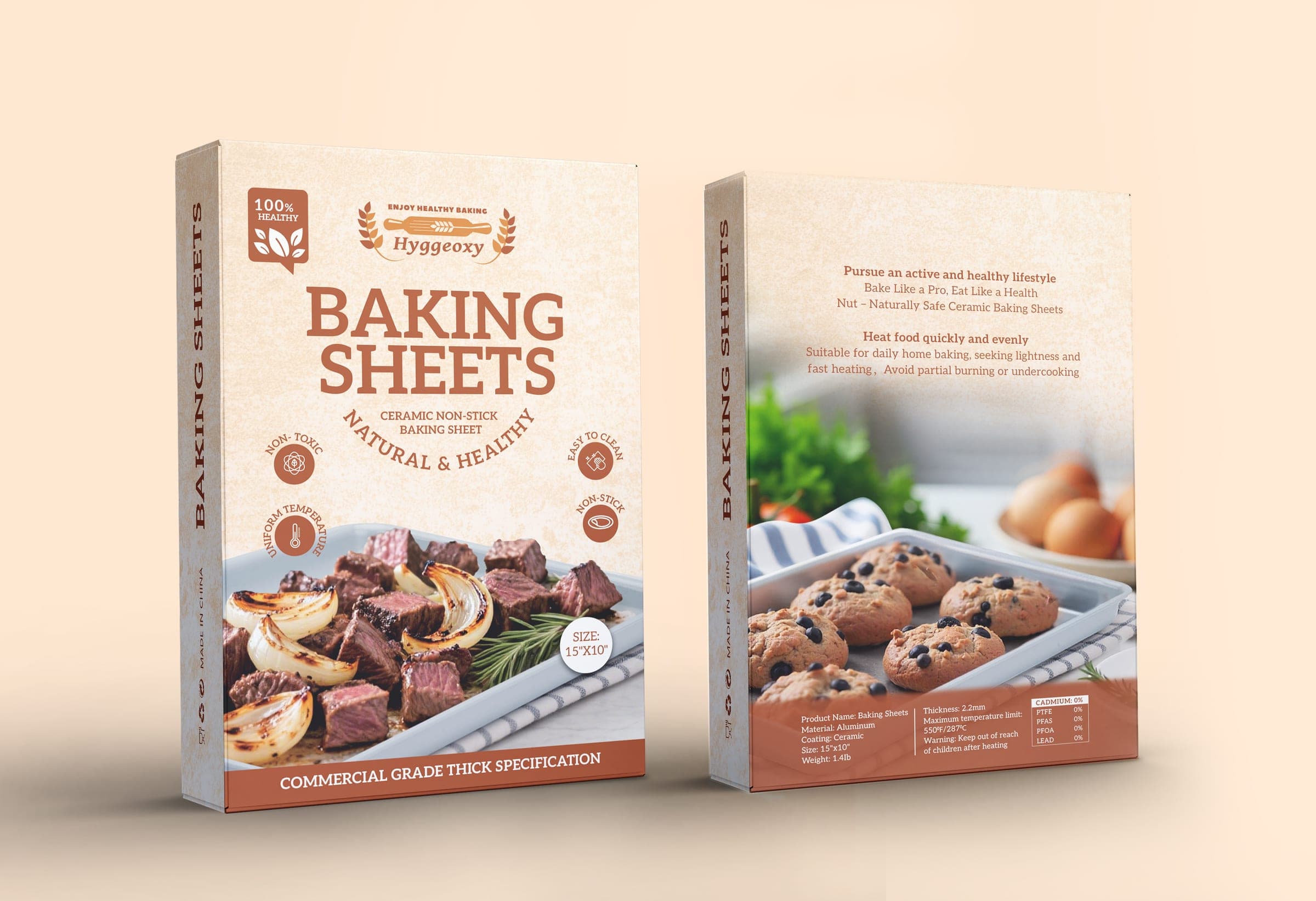
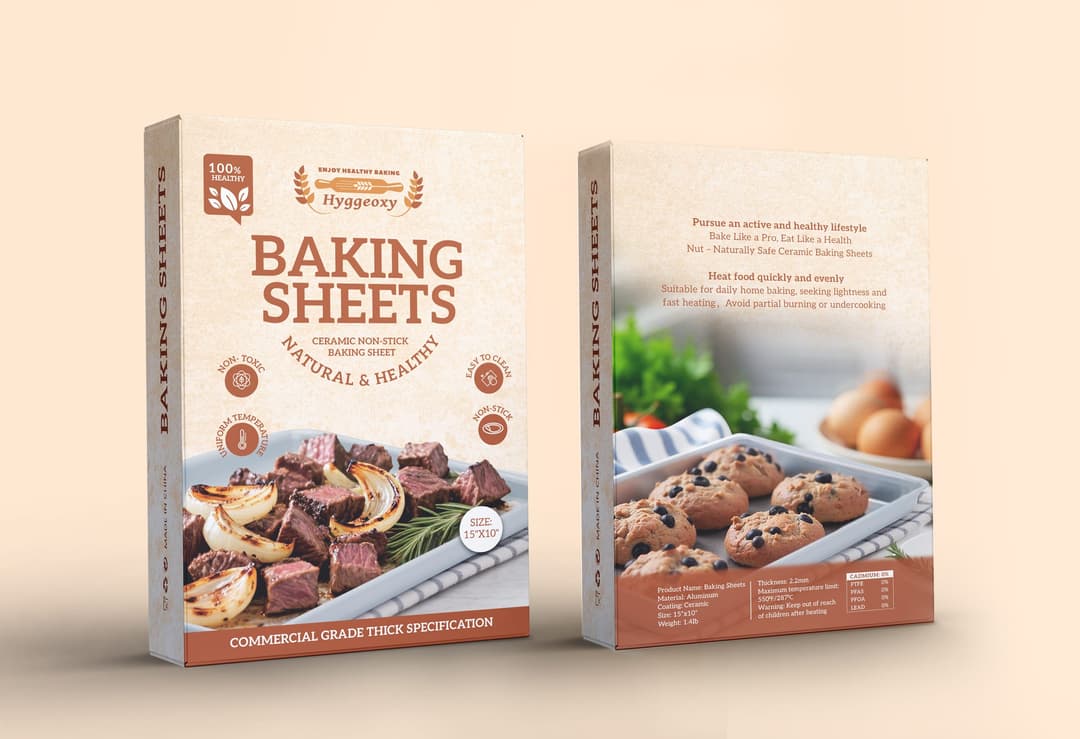
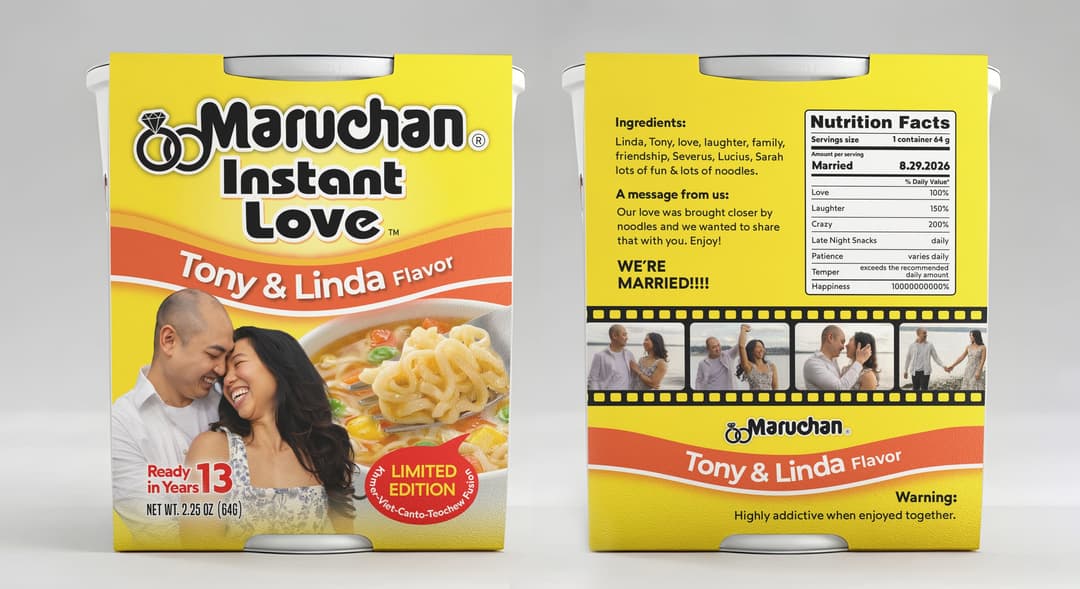
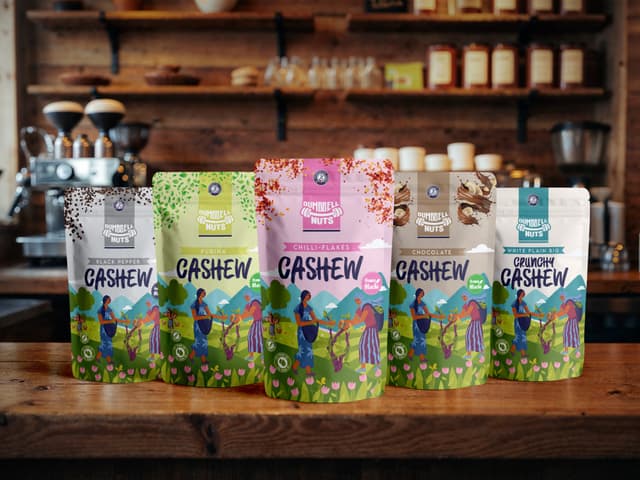
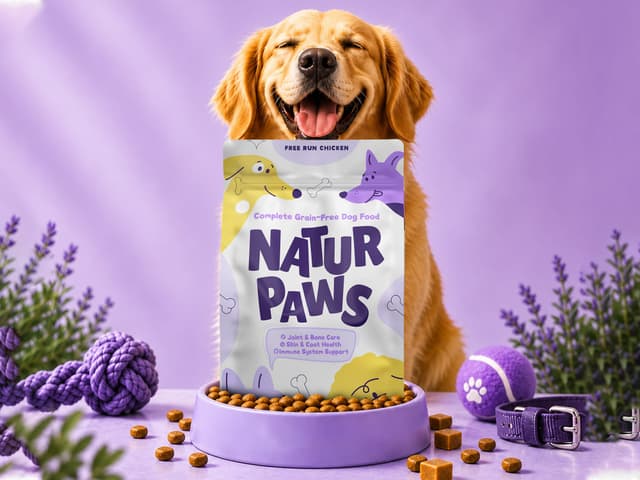
Six brands, six structures — from a liposomal supplement jar to a flexographic rice pouch — each engineered from identity through print-ready dieline.
How we work
The same four-stage process runs across every packaging structure — pouch, jar label, or rigid carton.
We start from the product's category and audience, then build the visual language — palette, type, illustration or photography style — that will carry across every panel and SKU.
Every pack is engineered to exact trim, bleed, and safe-margin specs for its structure — pouch, jar label, or rigid carton — with layers separated for clean production handoff.
Flat vector artwork is built into photorealistic 3D renders so material finish, seam alignment, and panel wrapping can be validated before a single unit is printed.
Every system is checked at two extremes: full-size on a physical shelf, and scaled down to a 100px e-commerce thumbnail — so the brand holds up everywhere it will actually be seen.
Capabilities
Wordmarks, color architecture, and front-of-pack hierarchy built to differentiate on a crowded shelf.
Print-ready mechanical files for pouches, jar labels, and rigid cartons — trim, bleed, gussets, and zippers specified to the millimeter.
Photorealistic mockups that validate material, lighting, and panel wrap before a production run is committed.
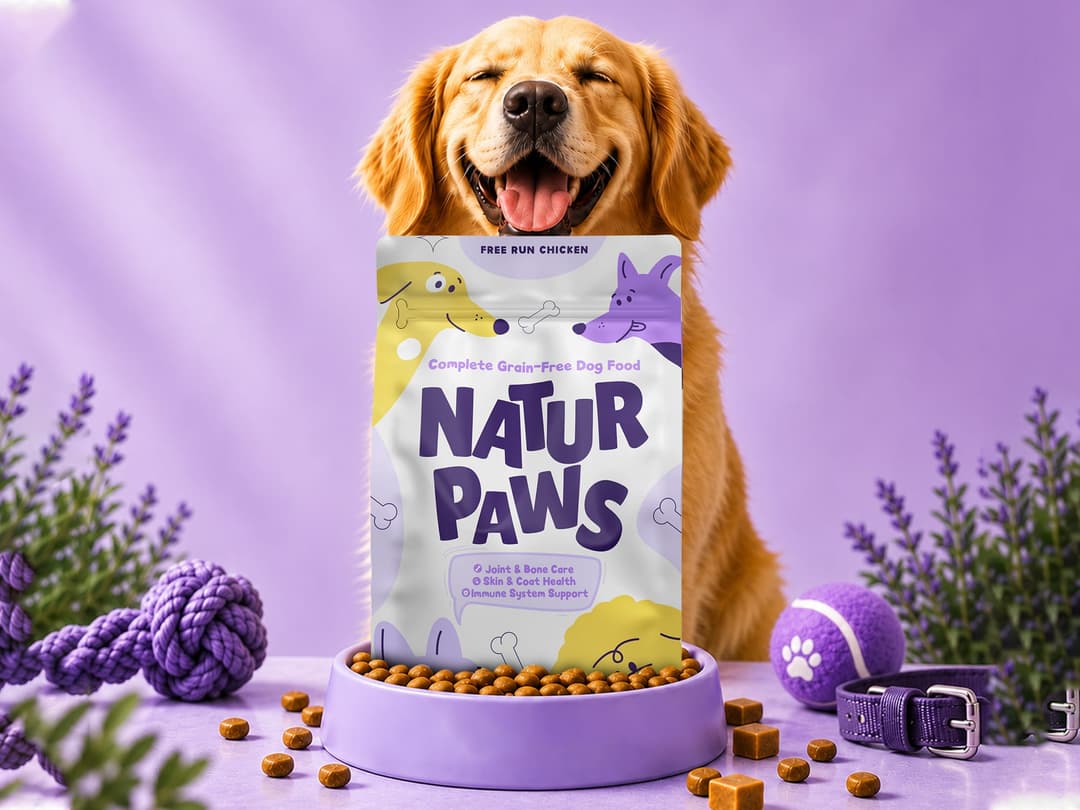
Contextual imagery and thumbnail-scale checks so packaging performs in-store and in a scrolling feed.
Before you reach out
These are the questions every one of our packaging systems has had to answer. If any of them give you pause, that's usually where a project starts.
Tell us about your product and we'll scope the identity, dieline, and 3D work it needs to launch.